Hair loss is a high-intent, emotionally loaded category. Telehealth players like Ro, Keeps, and Hims offer online consults and prescriptions. Vegamour sells plant-based serums, Traya in India combines multiple approaches into a program, and device makers such as iRestore and HairMax sell laser products. Because health claims are tightly regulated, ads here are a lesson in persuasive but careful messaging. This page collects hair loss advertisers tracked in AdLibrary so you can see how each approaches privacy, proof, and subscription offers.
AlphaInfuse offers men's wellness and performance supplements.
Capillus is a Miami-based medical device company founded in 2012 that produces the first FDA-cleared laser therapy cap for hair loss in a portable baseball cap form factor. The device delivers LLLT treatment in 6 minutes daily while worn like a normal cap, and is sold both DTC/Amazon and through 5,000+ dermatology and hair restoration clinics.
HairMax is a Boca Raton hair loss technology company founded in 2000 by David Michaels that received the first FDA clearance for a laser phototherapy hair growth device in 2007. The brand's laser comb format and 20+ years of clinical use give it a heritage positioning in the LLLT hair growth category that newer helmet competitors lack.

Hers is the women's health DTC brand from Hims & Hers Health (NYSE: HIMS), launched in 2018. It offers telehealth consultations and prescription treatments for weight loss (GLP-1), hair loss, skincare, mental health, and sexual health. The brand operates under the combined scale of the Hims & Hers public company, funding aggressive DTC paid media across Meta, YouTube, and TV.

Hims (Hims & Hers Health) is a San Francisco-based publicly traded telehealth company founded in 2017. It offers prescription and OTC treatments for hair loss, ED, skincare, mental health, and GLP-1 weight loss, delivered DTC with licensed clinician consultations built into the funnel.

Hims & Hers is a telehealth company offering prescription and over-the-counter treatments for men's and women's health, including hair loss, skincare, sexual health, weight management, and mental health. Founded in 2017 and headquartered in San Francisco, it connects users with licensed providers through an online platform and ships treatments directly to consumers. The brand markets heavily through direct-to-consumer digital advertising, including Meta placements.

Keeps is a New York DTC telehealth brand founded in 2018 by Demetri Karagas and Steven Gutentag, providing men with online physician consultations and prescription finasteride and minoxidil for hair loss treatment. It competes directly with Hims with a hair-loss-exclusive focus and science-first messaging.
Man Matters is an Indian men's health and wellness brand offering hair, skin, and nutrition products along with online consultations, part of the Honasa Consumer group. The brand sells direct-to-consumer online and advertises via Meta placements targeting Indian male consumers.

Manual is a UK men's telehealth platform founded in 2019, offering online consultations and treatment delivery for hair loss, ED, and weight management. The brand raised £29M in 2024 and expanded into Brazil, pursuing international scale. Manual competes directly with Numan and Hims for the growing UK and European men's health market.

Mars by GHC is an Indian men's wellness brand under Good Health Company offering hair growth, skincare, and nutrition products with doctor-led online consultations. The brand sells direct-to-consumer online and advertises via Meta placements.

Mosaic Wellness is a Mumbai-based health-tech company founded in 2020 by Dhruv Bhushan and Revant Bhate. It operates two sub-brands — Man Matters (men's hair loss, beard, and skin health) and Be Bodywise (women's PCOS, hairfall, and skin health) — offering personalised subscription-based regimens backed by doctor consultations. Also searched as Mosaic.

Numan is a UK men's health telehealth platform founded in 2018 by Sokratis Papafloratos. The brand offers online consultations and prescription delivery for ED, hair loss, and weight management (GLP-1). In 2024, Numan crossed $90M ARR driven by GLP-1 demand and reported its first year of profitability, positioning it as the UK's most commercially successful men's telehealth challenger.

Pilot is an Australian DTC men's health telehealth brand operated under Eucalyptus Health, launched in 2019 and based in Sydney. The platform provides online clinical consultations and subscription treatment for hair loss, ED, weight management, and PE, and has treated over 100,000 Australian men.

Ro is a New York-based telehealth company founded in 2017 by Zachariah Reitano, Saman Rahmanian, and Rob Schutz. Originally launched as Roman for men's health, Ro expanded to women's health (Rory) and now operates as a comprehensive telehealth platform covering weight loss (GLP-1), ED, hair loss, and fertility. Ro operates its own pharmacy, making it one of the few fully vertically integrated telehealth brands.
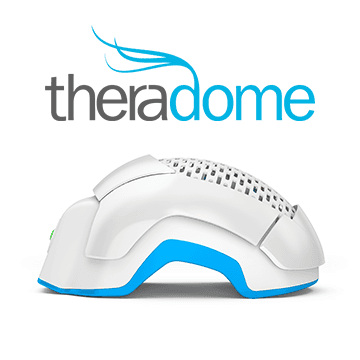
Theradome makes the LH80 PRO, an FDA-cleared laser phototherapy helmet designed to regrow hair at home. Founded by NASA biomedical engineer Tamim Hamid, the brand leans on clinical credibility and before/after evidence to sell premium DTC hardware to men and women experiencing hair loss.

Thirty Madison is a telehealth company building specialty-focused health brands for chronic conditions such as hair loss, migraine, and gastrointestinal issues, operating platforms including Keeps and Cove. Founded in 2017 and based in New York, it connects patients with clinicians and prescription treatment plans online, advertising direct-to-consumer via digital channels.
Traya is an Indian health and wellness brand focused on hair loss treatment, offering personalized hair care regimens combining Ayurveda, allopathy, and nutrition. It sells primarily as a DTC subscription model through its own website. Traya advertises heavily on Meta placements to acquire new customers for its hair care programs.
Vegamour is an LA-based plant-based hair wellness brand founded in 2016 by Dan Hodgdon. The GRO Hair Serum became a top DTC subscription product through before/after UGC campaigns. Backed by $80M from General Atlantic in 2021, Vegamour achieved $140M in revenue by 2022.

iRestore (by iglowlaser.com) is a Los Angeles-based hair growth technology brand founded in 2011 that produces FDA-cleared low-level laser therapy (LLLT) helmets for androgenetic alopecia. The brand's clinical trial data (51% increase in hair count) serves as the primary advertising claim, and it holds strong Amazon bestseller status in the hair growth device category.
Telehealth brands such as Hims, Keeps, and Ro sell discretion and convenience. The hook is usually that you can start treatment from home, without an awkward appointment, delivered on subscription. Creative uses clean visuals, plain language, and a simple path from quiz to consult to product. Product brands lean on proof. Vegamour and Traya use before-and-after stories and customer testimonials, while device makers like iRestore, HairMax, and Capillus point to regulatory clearance and clinical backing as the reason to trust the product. Quiz funnels are common because personalization increases trust: answer a few questions about your hair pattern, get a recommended plan. Doctor involvement appears as a credibility signal in several brands' creative. Tone matters. Strong ads treat hair loss with empathy and avoid shaming, then move quickly to a solution. Since this is a regulated space, expect careful phrasing around results and timelines, and note which brands include disclaimers within the creative itself.
Start with how each brand opens. Some address the embarrassment head-on, others lead with a result or a medical credential. Compare how quickly the ad moves from problem to a next step. Look closely at proof types: clinical references, before-and-after images, doctor involvement, or customer stories. Notice the wording on timelines, since honest brands frame hair regrowth as a process that takes consistency. See how treatments are packaged. Subscriptions, starter bundles, and multi-product regimens show how a brand turns a single sale into ongoing revenue. Telehealth brands often add consultation access as part of the offer. Also check audience framing. Men's and women's hair loss are advertised differently, with distinct language, imagery, and concerns. Brands like Hims and Hers split these audiences into separate creative systems, which is worth studying if you serve both. Because claims are regulated, treat this page as research on structure and tone, not as a template to copy outcomes.
Brands like Hims, Keeps, and Ro emphasize privacy, convenience, and a simple online path from quiz to consult to subscription delivery. Creative is clean and direct, with plain language and reassurance that treatment starts from home. Filter any brand by platform in AdLibrary to see which creative variations stay live longest.
This page includes Ro, Keeps, Hims, Hers, Vegamour, Traya, iRestore, HairMax, Capillus, and others. The mix covers telehealth providers, plant-based products, and FDA-cleared laser devices. Open any brand from the grid above to review its ad history across Facebook, Instagram, and TikTok.
Common proof includes before-and-after stories, customer testimonials, doctor involvement, and clinical or regulatory references for devices. Because health claims are regulated, careful brands phrase results and timelines conservatively and include disclaimers. Compare several brands side by side to confirm a pattern repeats before you test it yourself.
Search and save ads from every brand above across Facebook, Instagram, TikTok and more.
See all ads on AdLibrary →