Spend cadence is the deliberate, non-even distribution of ad budget across a campaign or launch window — a light creative-testing start, a heavy scaling middle, and a concentrated final-days spike driven by the deadline.
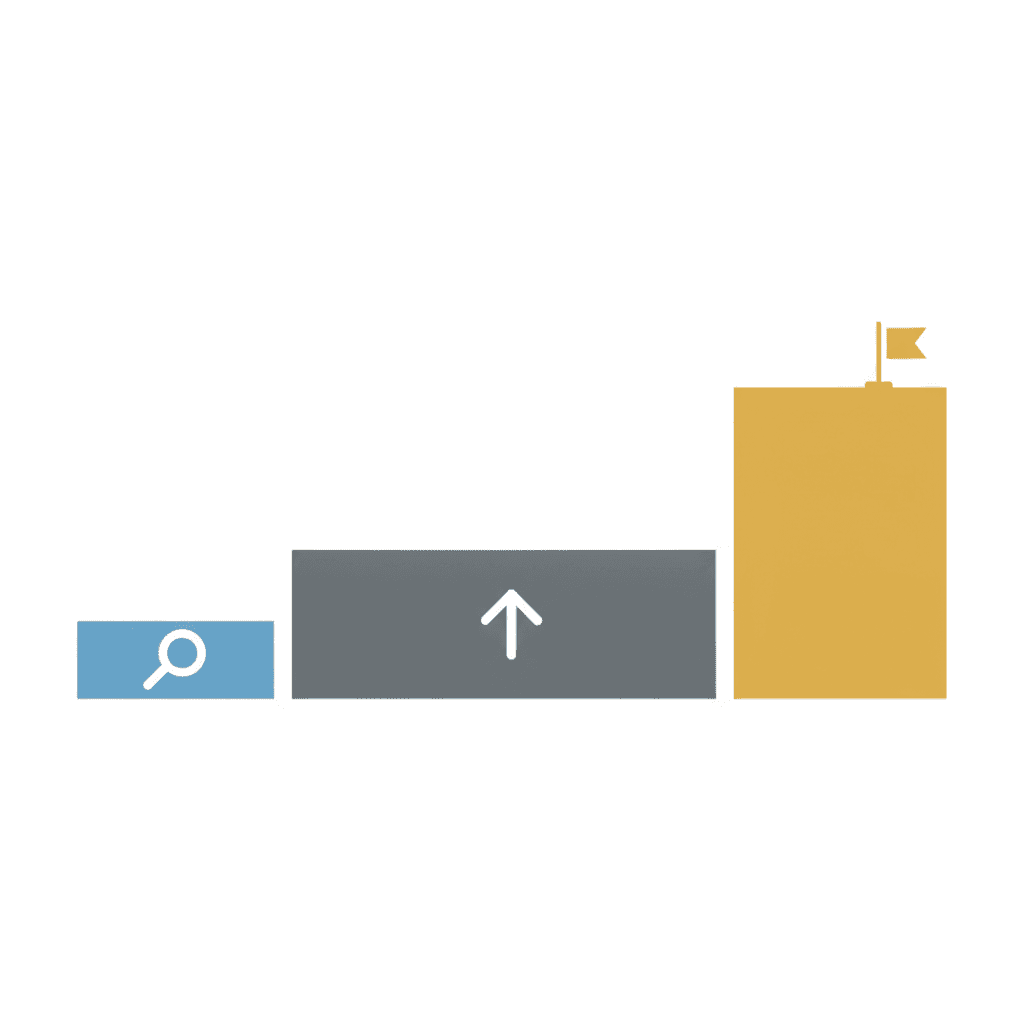
Spend cadence is the deliberate, non-even distribution of ad budget across a campaign or launch window. Instead of dividing the budget by the number of days and spending a flat daily amount, you concentrate spend where it produces the most return: a light early phase to find creative winners, a heavy middle to scale on proven angles, and a sharp final-days spike when a deadline drives demand. Cadence is a strategic plan you set. It is not the same thing as spend pacing, which is the platform's within-day delivery mechanism that keeps you on budget.
The distinction matters because the two operate at different altitudes. Pacing answers how fast is today's budget being delivered; cadence answers which days of the window deserve the most money. You can pace perfectly every day and still get the cadence wrong by spreading a launch budget evenly across a window where demand is anything but even.
Most launch-driven advertisers converge on a three-phase shape. The percentages below are a working template, not a law, but the ratios hold up across in-market launch accounts.
Why non-even? Three mechanisms stack. First, you need clean creative winners before you pour budget — scaling an unproven ad just buys expensive impressions against a hook that may not hold. Second, Meta's delivery system needs stable signal to exit the learning phase, and thrashing the budget early keeps ad sets in a high-variance state. Third, deadline-driven demand genuinely spikes late, so the money follows the buyers.
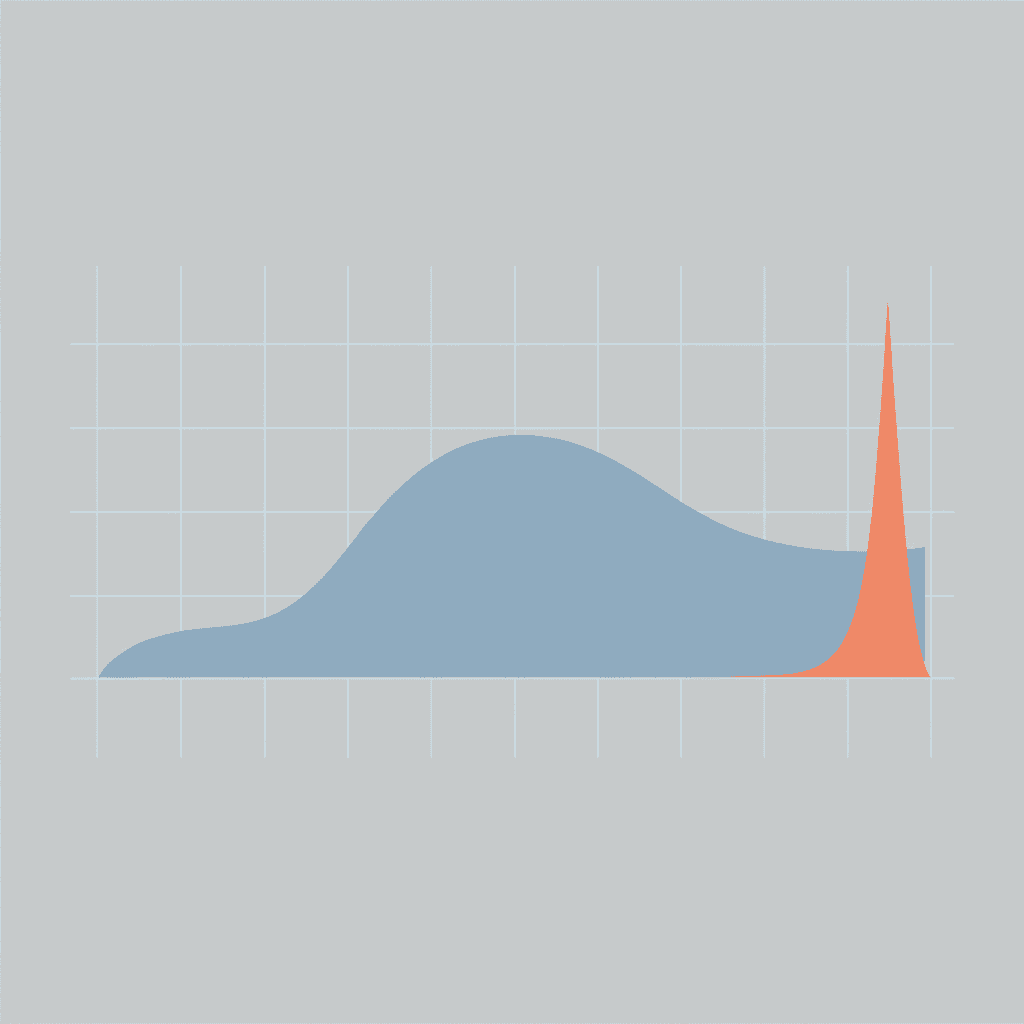
Cadence is not spend pacing, and it is not creative refresh cadence either. Refresh cadence governs how often you rotate creative to fight fatigue. Spend cadence governs how the budget itself is shaped over time. A launch can hold creative refresh steady while its spend cadence ramps hard into the final days. When we looked across in-market launch ads on the ad timeline, the pattern is visible in the impression curves: a slow build, a plateau, then a compressed late surge as the deadline lands.
Even spending is the default mistake, and it quietly wastes budget at both ends of the window. Early on, a flat schedule pours money into creative you have not yet proven, so you scale losers alongside winners. Late, a flat schedule leaves the deadline spike underfunded — the exact moment when ROAS is highest because urgency is doing the selling for you. Cadence is how launch-driven and evergreen advertisers protect return while they scale ad spend.
There is a loss-aversion angle worth naming plainly. A launch has a fixed deadline, and the last 72 hours are where hesitant buyers finally act to avoid missing out. If your cadence has already burned the budget by then, you forfeit the cheapest conversions of the entire window. Spending flat does not feel like a loss because nothing breaks — but the money you leave on the table at cart-close is real.
Cadence also respects how the delivery system learns. Ad sets that clear the learning phase on stable signal cost less per result than ad sets you keep jolting with erratic budget swings. Meta's own learning phase documentation recommends roughly 50 optimization events before costs stabilize, and its Advantage+ campaign budget logic distributes spend to the best opportunities in real time — both reward a steady scaling middle over an erratic flat schedule. A light test phase followed by a stable middle gives the system the consistency it needs, which is why the canonical cadence and the platform's guidance point the same way.
The late spike has a research basis too. Work on the deadline effect shows a near-flat effort curve that spikes sharply at the deadline. The NBER analysis of the U.S. Patent Office found completions on the last day of a quota period fell by roughly 50% after a reform removed the deadline, and Ariely and Wertenbroch's classic study on procrastination and precommitment found the same late-clustering pattern. Buyer behavior mirrors it: demand clusters at cart-close, so your budget should too. For the full worked numbers, see how much to spend on ads per launch and the counter-case in why you cap your ad spend.
This is where the data layer earns its keep. On adlibrary, the ad timeline analysis and unified ad search let you watch competitors' launch windows unfold — when a brand's ad volume swells, when it plateaus, and when it compresses into a final-days push. Reading those curves across the multi-platform corpus turns cadence from a gut call into an observable pattern. To plan your own split, an ad budget planner and an ad spend estimator translate the ratios above into concrete daily numbers.
Cadence sits inside a larger scaling system. It pairs with creative volume (you cannot run a light test phase without enough ads to test), with media arbitrage (the confidence to spend hard late comes from knowing your unit economics), and with levels of awareness (scaling the middle phase means widening the audience upfunnel). The spend scaling roadmap and the DTC launch playbook walk the full sequence.
