Thinning hair sufferers are adults who have noticed a widening part, shedding or a receding hairline and want to act on it. The brands serving them sell plant-based growth serums, supplements, herbal scalp care, laser devices and doctor-backed regimens. Examples include Vegamour, Mosaic Wellness, Ryo, Hairburst, Traya, iRestore and HairMax. Studying their ads reveals how advertisers handle a sensitive, emotional problem where skepticism is high. You can see which proof types they lead with, how they frame non-surgical options and what offers move a hesitant buyer to start a regimen.
Hair thinning is personal and often hidden. Many shoppers research privately before they commit to anything.
Surgery and prescription drugs put many people off. They look for non-surgical, drug-free or natural regrowth routes.
Past disappointments make them skeptical. Doctor-backed regimens, clinical language and regulatory clearance help earn attention.
Some notice slight thinning, others significant loss. Early-stage buyers want prevention and thicker hair, later-stage buyers want regrowth.
They try serums, ingestibles, scalp treatments and laser devices, often in combination, as part of a routine.
Results take time. Personalized plans and ongoing support make it easier to stay consistent.

Capillus is a Miami-based medical device company founded in 2012 that produces the first FDA-cleared laser therapy cap for hair loss in a portable baseball cap form factor. The device delivers LLLT treatment in 6 minutes daily while worn like a normal cap, and is sold both DTC/Amazon and through 5,000+ dermatology and hair restoration clinics.
HairMax is a Boca Raton hair loss technology company founded in 2000 by David Michaels that received the first FDA clearance for a laser phototherapy hair growth device in 2007. The brand's laser comb format and 20+ years of clinical use give it a heritage positioning in the LLLT hair growth category that newer helmet competitors lack.
Hairburst was founded in Manchester in 2014 and grew into one of the UK's leading hair growth supplement brands by pioneering influencer seeding and before-and-after Instagram content. Stocked in Boots, ASOS, and major international retailers, the brand spans vitamins, haircare, and hair tools.
Kiierr is a DTC brand selling at-home laser hair growth devices marketed toward people experiencing hair thinning and hair loss. The products use low-level laser therapy technology and are positioned as a non-invasive alternative to clinical hair restoration treatments. The brand sells primarily online with heavy direct-response marketing.

Mosaic Wellness is a Mumbai-based health-tech company founded in 2020 by Dhruv Bhushan and Revant Bhate. It operates two sub-brands — Man Matters (men's hair loss, beard, and skin health) and Be Bodywise (women's PCOS, hairfall, and skin health) — offering personalised subscription-based regimens backed by doctor consultations. Also searched as Mosaic.

Ryo is a premium Korean haircare brand under LG H&H that applies hanbang (traditional Korean herbal medicine) to scalp and hairfall solutions. Its ginseng-complex shampoos are among Korea's top-selling anti-hairloss SKUs, distributed through Olive Young, department stores, and a growing global DTC presence.

Simply Revival offers natural wellness products focused on everyday health and revitalization.
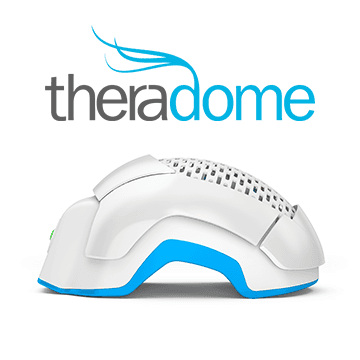
Theradome makes the LH80 PRO, an FDA-cleared laser phototherapy helmet designed to regrow hair at home. Founded by NASA biomedical engineer Tamim Hamid, the brand leans on clinical credibility and before/after evidence to sell premium DTC hardware to men and women experiencing hair loss.
Traya is an Indian health and wellness brand focused on hair loss treatment, offering personalized hair care regimens combining Ayurveda, allopathy, and nutrition. It sells primarily as a DTC subscription model through its own website. Traya advertises heavily on Meta placements to acquire new customers for its hair care programs.
Vegamour is an LA-based plant-based hair wellness brand founded in 2016 by Dan Hodgdon. The GRO Hair Serum became a top DTC subscription product through before/after UGC campaigns. Backed by $80M from General Atlantic in 2021, Vegamour achieved $140M in revenue by 2022.

iRestore (by iglowlaser.com) is a Los Angeles-based hair growth technology brand founded in 2011 that produces FDA-cleared low-level laser therapy (LLLT) helmets for androgenetic alopecia. The brand's clinical trial data (51% increase in hair count) serves as the primary advertising claim, and it holds strong Amazon bestseller status in the hair growth device category.
Meet the worry directly but gently. Ads that name the moment, a visible part, hair in the brush, a thinning crown, tend to connect because the viewer recognizes it instantly. Avoid shaming language and focus on what the person can do next. Credibility is the central creative job. Traya and Mosaic Wellness position around doctor-backed, personalized regimens. iRestore and HairMax lean on laser technology and clinical framing. Vegamour and Ryo emphasize plant-based or herbal approaches for people who prefer natural routes. Hairburst speaks to women who want longer, thicker hair through supplements and haircare. Each picks a different trust mechanism, and the choice shapes everything from script to visuals. Show the process, not just the outcome. Diagnostic quizzes, consultation steps and routine breakdowns help viewers understand how a product fits into daily life. Before and after imagery draws attention but needs care, since platforms have rules and overstated results damage trust. Finish with a low-friction first step such as a quiz, assessment or starter set.
Pay attention to how each brand segments the audience. Some speak to men and women together, others to a specific region or a specific type of loss. Messaging changes with age and stage, so notice which hook is used for early thinning versus established loss. Compare proof formats. Founder or doctor explainers, customer routines, device demonstrations and ingredient breakdowns each do a different job. Notice which ones run for a long time, since longevity suggests an angle is paying back. Check the offer structure. Subscriptions, starter kits, guarantees and consultations each address the fear of wasting money on another product that does not work. Also look at what these ads avoid. Responsible brands generally stay away from guaranteed regrowth and absolute claims. For your own campaigns, set expectations about timelines, explain the mechanism in simple language and keep claims within what you can support. Use AdLibrary to compare creatives across supplements, topicals and devices so you see how the same worry is sold in very different ways.
Brands include Vegamour for plant-based growth solutions, Ryo for herbal scalp care, Hairburst for supplements and haircare, Traya and Mosaic Wellness for doctor-backed regimens, and iRestore and HairMax for laser devices. Compare the proof types and offers across supplements, topicals and devices in AdLibrary to see how the same worry is sold differently.
They combine problem recognition with credibility cues. Ads often feature doctor-backed plans, clinical or device claims, natural ingredients and customer routines, and end with a quiz, consultation or starter offer to reduce the risk of trying. Compare the proof types and offers across supplements, topicals and devices in AdLibrary to see how the same worry is sold differently.
Avoid shaming language, guaranteed results and unsupported claims. Set realistic expectations about how long routines take and explain how the product works in plain terms. Honest framing builds more trust with a skeptical audience. Compare the proof types and offers across supplements, topicals and devices in AdLibrary to see how the same worry is sold differently.
Search and save ads from every brand above across Facebook, Instagram, TikTok and more.
See all ads on AdLibrary →