Offline Conversion Import is the upload of post-purchase, post-lead, or post-trial events back into ad platforms — capturing the conversion outcomes that happen days or weeks after the click and would otherwise be invisible to optimization.
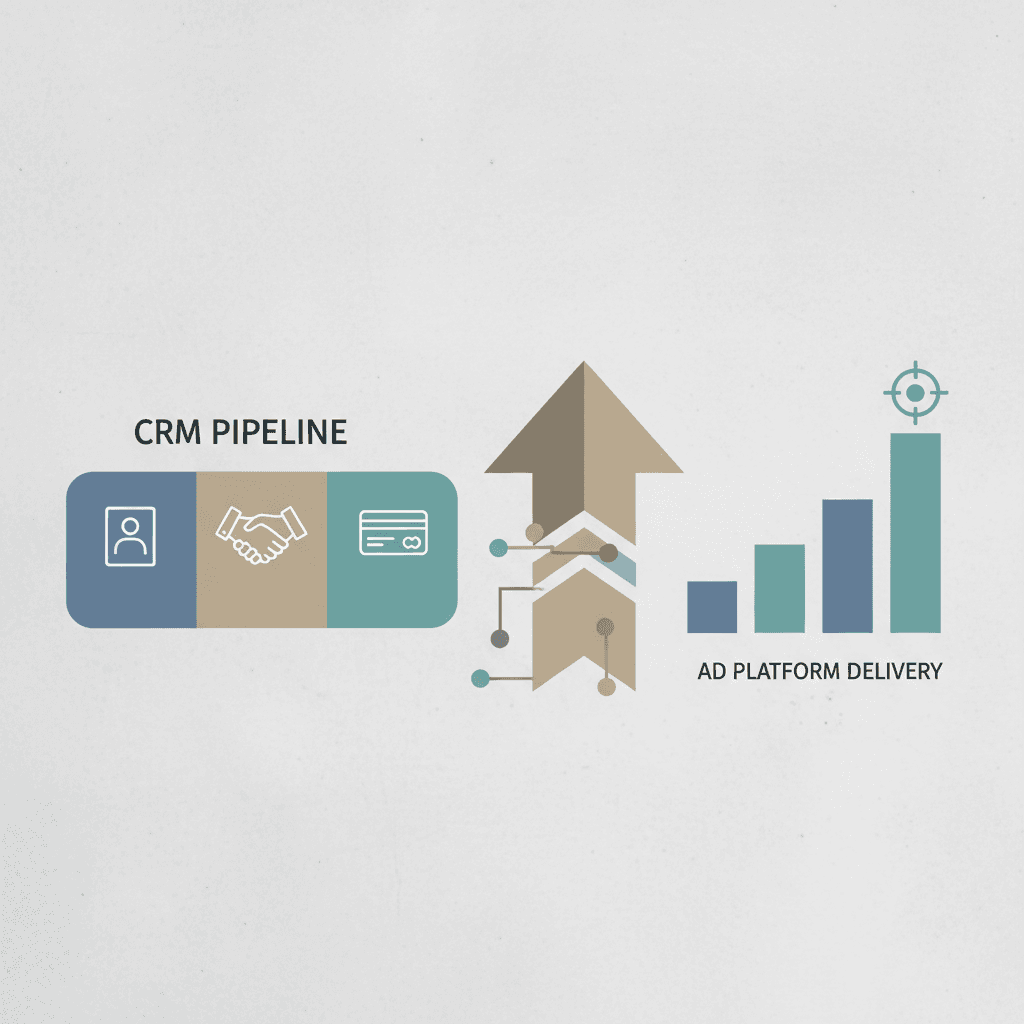
Offline Conversion Import is the practice of uploading conversion events that occurred outside the ad platform (CRM stage progressions, completed purchases, trial-to-paid transitions) back into the system so the algorithm can optimize toward the outcomes that actually matter — not just the surface events it could observe directly.
The mechanics are straightforward. You export matched events from your CRM or data warehouse with hashed user identifiers (email, phone) and the original click timestamp. The platform ingests these events, matches them to ad-exposed users within the attribution window, and feeds them into the same optimization signal pool as server-side or pixel-measured events. For Meta, this happens via the Conversions API (CAPI) or the Offline Events API. For Google, Enhanced Conversions for Leads or the Google Ads API handles the same job.
The signal is only as useful as the match. Each uploaded event needs the original event ID or hashed identifier that ties it back to a specific user who saw and clicked your ad. Without that link, the platform records the conversion for reporting but cannot use it to shift delivery. Timing matters equally: most attribution windows close within 7–28 days of the click. Events uploaded after the window closes land in reporting only — they stop influencing optimization at that point.
In 2025–2026, this mechanism sits at the center of serious paid-media infrastructure. Post-iOS signal loss pushed first-party data to the front of every measurement strategy. When you read about the death of attribution in marketing measurement coverage, the practical response is exactly this: close the loop between what the ad platform can observe and what your CRM knows happened. The AI analytics tools now available to mid-market teams make automating daily upload pipelines tractable, and AI for Meta ads covers how these feeds integrate with automated campaign management.
If you are sending event quality checks, platform-side event match quality (EMQ) scores surface how well your uploads are matching — monitor it after each batch until it stabilizes above 6.
Upload daily. The algorithm can only optimize on what it can see.
For B2B, considered-purchase, and subscription brands, the meaningful conversion happens long after the ad click. Without offline imports, the algorithm optimizes for surface-level events — Lead, Trial Start — that may not correlate with what you actually care about: Closed Won, Paid Subscription, Renewed. I've seen accounts running efficient CPLs for months while producing zero closed revenue, precisely because the platform was never told what happened after the lead form submitted. Closing that loop is not optional for any business where the click and the conversion happen days apart.
