The 6-6-6 Rule is a Meta creative testing framework calling for 6 angles × 6 hooks × 6 formats — a 216-variant matrix for systematic angle and hook discovery before scaling winners.
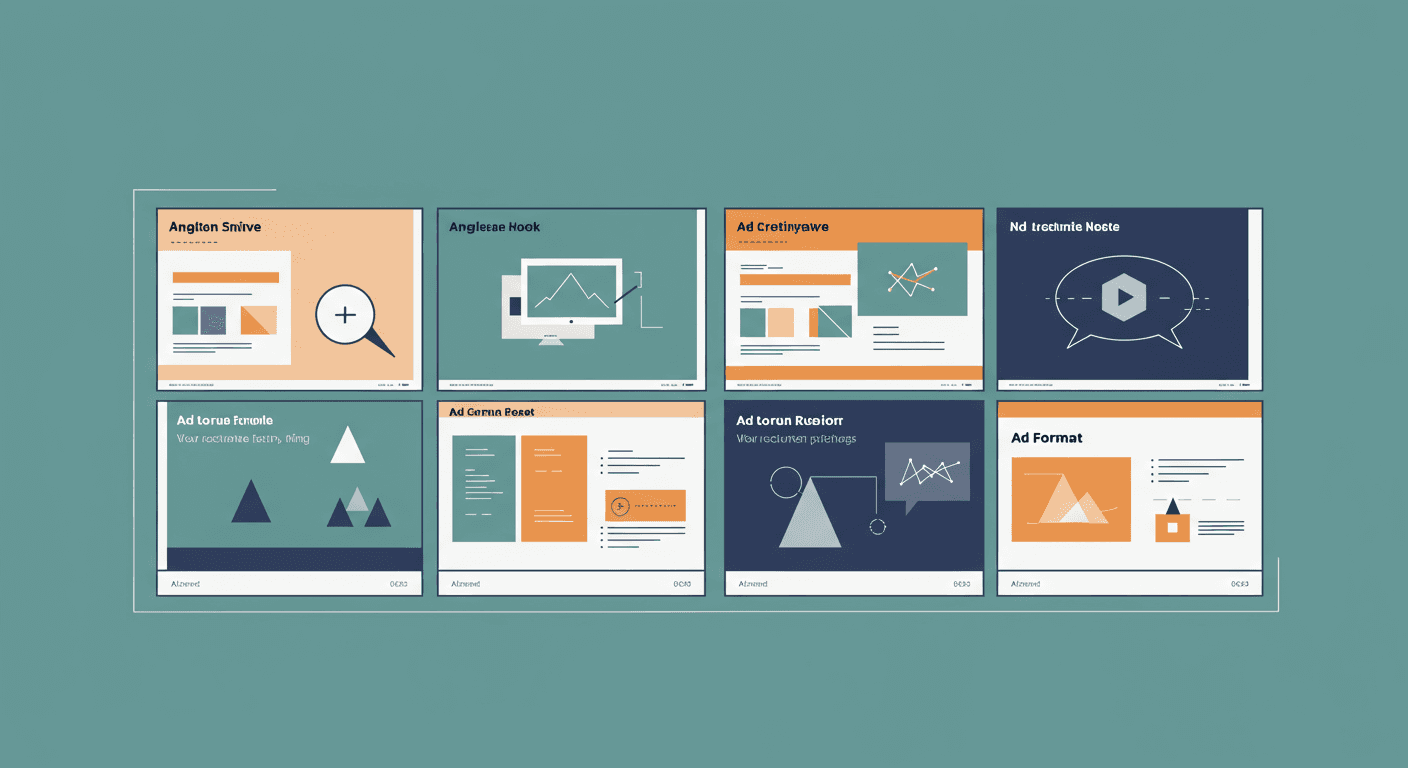
The 6-6-6 Rule is a structured creative-testing framework for Meta ads: six distinct angles, each tested across six hooks and six formats, producing a 216-variant matrix designed to surface what actually works before you commit budget to scale.
Each axis serves a different diagnostic function. Angles represent fundamentally different reasons a prospect might care — pain points, aspirational outcomes, social proof, competitive contrast, feature-led, and so on. Hooks determine how you open each angle: question, bold claim, statistic, narrative, pattern-interrupt, direct benefit. Formats govern the medium: static image, short video, carousel, story, UGC-style, and animated. Running all three axes simultaneously means you are testing creative strategy, not just creative execution.
The output is signal, not spend. I've seen teams run 6-6-6 at $80/day per ad set and identify two dominant angles inside 11 days — before wasting a quarter's budget on a single assumed winner. The matrix is a forcing function: if you cannot generate six genuinely distinct angles, your category understanding is the actual bottleneck.
Meta's Andromeda delivery system — which now powers most Advantage+ placements and broad-targeting optimization — learns faster when it receives diverse creative signals early. A 6-6-6 matrix feeds the algorithm a wide surface to find winners rather than concentrating spend on one or two variants during a limited learning phase. Combine that with a hook analysis pass after day seven, and you are exiting the learning phase with real angle clarity.
The 216-variant scope can be compressed. A 4-4-4 structure (64 variants) works at sub-$3k/month test budgets — same logic, smaller surface. The point is enforced diversity across all three axes, not the specific numbers. For a worked example of building this into a bulk launch workflow, see best bulk Facebook ad launchers.
For the 6-6-6 matrix to read cleanly, creative testing discipline applies: do not call winners before learning-phase exit — seven-plus days minimum with sufficient impression volume.
Practitioner principle: Run the matrix before you have opinions — it tells you what angles work, not what you think should work.
Most creative testing defaults to 12 variants of the same angle. The 6-6-6 frame forces angle and hook diversity before format polish — which is the right order of operations. Format refinement on a weak angle is just polishing a bad idea. The matrix makes you validate the angle first; format work follows from winners, not from assumptions.
